Step-by-Step List for Picking the very best Assisted Living Facility
Business Name: BeeHive Homes of Santa Fe NM
Address: 3838 Thomas Rd, Santa Fe, NM 87507
Phone: (505) 591-7021
BeeHive Homes of Santa Fe NM
BeeHive Homes of Santa Fe NM is a premier Santa Fe Assisted Living facilities and the perfect transition from an independent living facility or environment. Our Alzheimer care in Santa Fe, NM is designed to be smaller to create a more intimate atmosphere and to provide a family feel while our residents experience exceptional quality care. We promote memory care assisted living with caregivers who are here to help. Memory care assisted living is one of the most specialized types of senior living facilities you'll find. Dementia care assisted living in Santa Fe NM offers catered memory care services, attention and medication management, often in a secure dementia assisted living in Santa Fe or nursing home setting.
3838 Thomas Rd, Santa Fe, NM 87507
Business Hours
Choosing an assisted living community is one of those decisions that is both useful and deeply emotional. You are weighing safety, medical requirements, and cash, but also dignity, identity, and the texture of daily life. Households typically tell me they want they had a clearer roadmap before they began visiting locations and checking out shiny brochures.
What follows is a structured, real-world checklist built from years of working in senior care, listening to families, and seeing what in fact matters as soon as someone moves in. Use it as a guide, not a rigid rulebook. Everyone and every household has its own non‑negotiables.
A fast 5‑step list at a glance
Use this as your high‑level roadmap. The rest of the short article dives deep into each step.
- Clarify requirements, preferences, and timing
- Understand budget plan, advantages, and financial constraints
- Build a brief, practical list of assisted living alternatives
- Visit, observe, and compare care quality and life
- Review agreements, prepare the shift, and reassess after move‑in
Most families move back and forth in between these actions instead of following them in an ideal straight line. That is normal. The point is to keep your decision anchored in a structured procedure instead of whatever center returns your call first or has the shiniest lobby.
Step 1: Clarify needs, choices, and timing
If you skip this step, whatever else gets harder. You will hear sales language from assisted living neighborhoods that might or might not match what your parent or loved one actually needs.
Start with function and security, not age. 2 82‑year‑olds can have totally various assistance needs. One may still drive, cook, and handle medications, while the other battles with dressing, remembering dosages, and falls.
A useful method to think about this is to take a look at:
- Activities of everyday living (ADLs): bathing, dressing, toileting, transferring, consuming, and continence
- Instrumental activities of daily living (IADLs): cooking, shopping, handling financial resources, transportation, housework, managing medications
Even if you never use these terms with a facility, having your own rough sense of whether your parent requires light, moderate, or heavy assistance with ADLs and IADLs will permit you to ask sharper questions.
It often helps to have an objective assessment. This can come from:
A primary care physician or geriatrician who knows their medical history.
A health center discharge organizer, if you are transitioning after a hospitalization. A care manager or social employee who specializes in senior care or elderly care.If your loved one has amnesia, ask directly about cognitive concerns. Early dementia can appear as confusion about time, problem managing cash, or duplicated medication mistakes. Not all assisted living facilities are set up for substantial memory problems. Some provide dedicated memory care units, with locked but home‑like settings and personnel trained particularly in dementia.
Alongside functional needs, make a note of preferences. These matter for lifestyle:
Location: near household, familiar neighborhood, near a particular hospital.
Size: smaller, home‑like buildings vs large campuses with more amenities. Culture: quiet and low‑key vs active and social. Religious or cultural alignment. Pets, outside space, privacy, checking out hours.
Finally, be truthful about timing. Are you planning ahead, or are you reacting to a crisis such as a fall or caretaker burnout at home? If it is immediate, you might require respite care initially, then transition to long-term assisted living when everybody can breathe and plan.
Step 2: Understand spending plan, advantages, and monetary constraints
Money shapes the sensible menu of options. Households often ignore total costs, then feel blindsided later.
Assisted living is usually private pay. Medicare typically does not cover room and board in assisted living facilities, though it may cover particular medical services supplied there. Medicaid coverage varies by state and typically has waitlists, eligibility requirements, and restricted taking part facilities.
Start by clarifying:
What income and assets are offered month-to-month and over the next 3 to 5 years.
Whether there is a long‑term care insurance plan, and what it actually covers. Eligibility for veterans' advantages, such as Help and Presence, which can offset some assisted living costs. Whether offering a home is on the table, and if so, on what timeline.Facilities typically quote a base rate and after that include tiered care costs. For example, the base might include lease, utilities, fundamental house cleaning, and some meals. Additional expenses might obtain medication management, incontinence care, extra escorts, or boosted monitoring in the evening. 2 locals in the same building can pay very different month-to-month amounts.
Ask yourself what trade‑offs you are willing to make. A facility that appears expensive initially glance might supply higher personnel ratios, better nursing oversight, or a more powerful track record handling complex conditions. A cheaper option that relies heavily on outdoors home‑health companies for even standard care can become more pricey and fragmented over time.
It is a mistake to focus just on the first year. If your loved one has a progressive health problem such as Parkinson's or dementia, care needs will increase. You want a senior care setting that can adapt without forcing yet another disruptive move in a year or two.
Step 3: Build a brief, reasonable list of assisted living options
Once you understand requirements and budget plan, resist the desire to tour every assisted living facility within 50 miles. You will stress out, and information will blur.
Start with three or 4 prospects that:
Fit within a reasonable cost range, even after adding likely care fees.
Offer the level of care your loved one requires now, and potentially soon.Are in locations that work for the member of the family most associated with care.
Information sources consist of online directories, state regulative sites, local senior centers, doctors, and word of mouth. Beware with online evaluations. Grievances can reflect one dissatisfied family out of numerous locals, or they might expose patterns such as chronic understaffing or bad food quality.
A useful filter is to take a look at whether a facility is licensed for assisted living just, or if it also provides memory care or proficient nursing on the exact same school. Continuing care communities can relieve shifts as needs alter, but they can likewise have greater entryway costs and more complex contracts.
Call each center and take note not just to the material, but to the tone and responsiveness. How rapidly do they return calls? Does the individual on the phone listen, or simply recite a script about amenities? The way a neighborhood manages you as a potential resident typically mirrors how they manage families once someone has actually moved in.
Ask for fundamental truths before setting up a tour:
Current base rates and typical total monthly range for homeowners with similar needs.
Whether they accept respite care stays, and on what terms. Staffing patterns, specifically the presence and hours of licensed nurses on site. 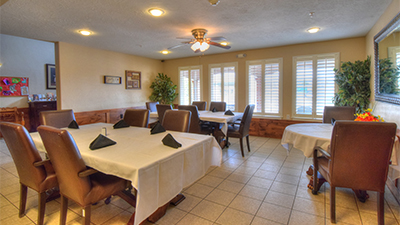
If a center declines to offer even broad prices ranges before you visit, recognize that as a data point. Openness at this phase saves everyone time.
Step 4: Visit, observe, and compare everyday life
Tours are often thoroughly choreographed. The trick is to look past the staged workout class and fresh flowers.
Plan a minimum of one unhurried visit for each prospect. If possible, address different times of day: a weekday early morning and a weekend afternoon reveal different truths. Ask if your loved one can join for a meal or an activity, so you can see how they respond.
Here is where you change from checking out marketing materials to utilizing your own senses.
First, notice how you feel when you walk in. Is the environment warm and lived‑in, or cold and hotel‑like? Do personnel welcome residents by name? Are residents sitting in corridors looking disengaged, or exist pockets of activity at different functional levels?
Second, view personnel habits. Do caretakers seem rushed and stressed, or calm and attentive? Staff turnover is a crucial indication. Every building has some churn, however constant change can be a red flag. Ask straight how long typical caregivers and nurses stay.
Third, take notice of hygiene and security:

Cleanliness of typical areas and bathrooms.
Smells that may recommend poor incontinence management. Lighting, flooring, and handrails that impact fall risk. How staff help residents with walkers or wheelchairs.Fourth, look at how medications are dealt with. Medication management is among the most essential services in assisted living, and mistakes can have serious effects. You want clear systems: locked medication spaces or carts, documented administration, and visible oversight by nursing staff.
Finally, assess meals and social life. Food in elderly care is more than nutrition; it is convenience and regimen. Try a meal if possible. Ask whether they can accommodate special diets, such as low sodium or diabetic. Observe whether staff really assist residents who need cueing or physical assistance to consume, instead of leaving trays and strolling away.
Many households find it useful to bring a list of concerns. Keep it useful and prevent being swayed just by features that sound great however may never ever be used.
Here is one focused list of concerns to direct your tour conversations:
- What is the staff‑to‑resident ratio on days, nights, and overnight, and how is it changed when requires increase?
- How are care plans established, who takes part, and how typically are they updated?
- How do you handle falls, sudden health problem, and changes in condition, including when to call 911 or a member of the family?
- Can you describe a common day here for someone with my loved one's abilities and interests?
- How do you interact with families about concerns, events, or progressive decline?
Write responses down. After a couple of visits, every building's sales pitch begins to sound comparable. Your notes assist you compare truths, not marketing language.
Step 5: Assess care quality, staffing, and medical support
The expression "assisted living" covers a large range of models. Some communities are heavily hospitality‑focused, with beautiful design but minimal scientific depth. Others have strong nursing leadership but fewer frills. You desire the best mix for your situation.
Care quality depends upon staffing patterns, training, guidance, and relationships with external providers.
Ask about:
Who is actually providing day‑to‑day care. A lot of hands‑on jobs are done by caretakers or qualified nursing assistants, not nurses or doctors.
Whether there is a nurse in the building 24/7, just throughout business hours, or on call after hours. How often medical companies, such as checking out physicians or nurse professionals, come on site. What happens when a resident's requirements intensify beyond the original care plan.If your loved one has complicated conditions, such as heart failure, COPD, insulin‑dependent diabetes, or innovative dementia, you will desire a community with stronger clinical abilities. This may affect expense, but it reduces frequent hospital trips and unplanned moves.

Medication management systems differ extensively. Some facilities charge per medication pass, others bundle it. For people on multiple medications, clarify who fixes up new prescriptions after hospitalizations, how they avoid duplication, and how they monitor for side effects.
Respite care can be a beneficial tool throughout this stage. A short, time‑limited assisted living stay lets you evaluate how a neighborhood manages medications, behaviors, and everyday routines without devoting to a long‑term agreement. I have actually seen families discover during a two‑week respite remain that a supposedly small dementia problem really needs a memory care environment. That discovery, while difficult, prevented a poor long‑term placement.
Finally, ask about end‑of‑life support. Even if it feels early, understanding whether a center partners well with hospice, and what homeowners can stay in place for, tells you something about their viewpoint of care. A senior care provider who talks conveniently and concretely about later on stages is normally more skilled and realistic.
Step 6: Check out the contract like a skeptic
Once you have a front‑runner, resist the urge to rush through the documents. The assisted living contract is where expectations, rights, and obligations live. Problems usually occur not from bad people, but from misunderstandings buried in fine print.
Block out quiet time to read:
How the base charge is defined, and precisely what services it includes.
How care levels or point systems work. There is often a schedule that assigns points for each type of assistance, then equates points into a care tier and fee. Policies on rate boosts, both annual and due to increased care needs. What sets off discharge or transfer to another level of care.Pay unique attention to the sections on:
Refunds or credits if your loved one vacates or dies partway through a month.
Resident rights, including complaint procedures and how concerns can be escalated. Duty for individual valuables and damage.It is typically worth having actually another trusted person checked out the agreement also. If something is unclear, request a plain‑language description and get it in composing, even in the form of an email.
Also clarify the function of outside services. Lots of residents get physical treatment, occupational treatment, or nursing through home‑health companies while residing in assisted living. Who sets up those services? Where will they take place? How do they communicate with the center about preventative measures and follow‑up?
If your loved one is relocating from home, ask about how they deal with the first thirty days. Some communities have casual "trial" periods or extra check‑ins as the resident changes. Others anticipate households to provide more existence initially, especially if there is anxiety or confusion.
Step 7: Strategy the relocation and the first couple of weeks
The shift itself can make or break the experience. You are not just altering an address; you are re‑building daily life.
Involve your loved one as much as they can handle. Even someone with moderate cognitive disability may have the ability to choose favorite chairs, pictures, or bedding to bring. Familiar items decrease the shock of a brand-new environment. Attempt to keep treasured belongings, such as a comfortable recliner chair or quilt, even if they are not stylish.
Coordinate with the facility about:
Furniture dimensions and what they supply vs what you must bring.
Move‑in scheduling to prevent excessively hurried or late‑day arrivals, which can be tough for somebody with dementia. Medication handoff, consisting of having enough dosages on hand and upgraded prescriptions.For the very first few weeks, anticipate emotions. Citizens might reveal regret, anger, or sadness. Caregivers at home may feel regret or relief, in some cases both simultaneously. I have actually seen households interpret a rough first week as an indication the placement was an error, when in truth it was a typical adjustment.
Stay noticeable, however also offer personnel room to develop their own relationship. Daily visits in the beginning can comfort your loved one, but attempt not to intervene in every small demand. Rather, utilize that initial period to observe patterns: Is your parent dressed, groomed, and engaged? Do personnel appear to understand their routines and quirks?
If your loved one came from home with an extremely extended household caretaker, think about utilizing respite care language even for a longer stay. Framing the relocation as "attempting this out" can reduce the psychological weight, even if you expect it to be permanent.
Step 8: Screen, review, and advocate
Choosing a facility is not a one‑time decision. It is an ongoing relationship. The best outcomes occur when families stay involved, considerate, and properly assertive.
Keep an eye on:
Changes in appearance, weight, mood, or mobility.
Patterns of falls, infections, or hospitalizations. How quickly and plainly the center communicates when something happens.Most assisted living neighborhoods have routine care conferences. Attend them if you can. Utilize those meetings to upgrade the team on what you are seeing and what matters to your loved one. For instance, if your mother is most likely to shower in the evenings because she always did so, share that. Small details can make care more successful.
When concerns arise, begin with the person closest to the problem, such as the nurse or care supervisor, and escalate step-by-step if needed. Facilities generally respond better to particular, factual concerns than to broad accusations. "I have found 3 unopened medication packets in her space in the last month" is more actionable than "you never handle her medications right."
Sometimes, after all efforts, you may understand the fit is wrong. Perhaps your loved one requires a dedicated memory care system, or a various culture, or an area better to another relative. Moving again is difficult, however remaining in a setting that can not fulfill progressing requirements can be harder. Use what you have gained from the first experience to make a more targeted option the second time.
Balancing safety, autonomy, and quality of life
The heart of assisted living is a delicate balance. You are trying to offer sufficient support to be safe, without removing away independence and meaning. Too much supervision can feel infantilizing; too little senior care can be dangerous.
In practice, the best facilities deal with citizens as partners rather than issues to handle. They appreciate long‑standing practices, even when those habits are troublesome. They understand that quality senior care is not almost preventing falls or handling blood pressure, however also about laughter at lunch, a familiar hymn in the background, or an employee who remembers exactly how someone takes their coffee.
As you move through this list, offer equal weight to your head and your gut. Numbers and agreements matter. So does the subtle sensation you get when you see personnel joking carefully with a resident or taking an additional moment to sit at eye level. Assisted living and elderly care have to do with relationships at their core. If the relationships look and feel right, and the concrete details line up with needs and budget plan, you are most likely extremely close to the ideal place.
BeeHive Homes of Santa Fe NM provides assisted living care
BeeHive Homes of Santa Fe NM provides memory care services
BeeHive Homes of Santa Fe NM provides respite care services
BeeHive Homes of Santa Fe NM supports assistance with bathing and grooming
BeeHive Homes of Santa Fe NM offers private bedrooms with private bathrooms
BeeHive Homes of Santa Fe NM provides medication monitoring and documentation
BeeHive Homes of Santa Fe NM serves dietitian-approved meals
BeeHive Homes of Santa Fe NM provides housekeeping services
BeeHive Homes of Santa Fe NM provides laundry services
BeeHive Homes of Santa Fe NM offers community dining and social engagement activities
BeeHive Homes of Santa Fe NM features life enrichment activities
BeeHive Homes of Santa Fe NM supports personal care assistance during meals and daily routines
BeeHive Homes of Santa Fe NM promotes frequent physical and mental exercise opportunities
BeeHive Homes of Santa Fe NM provides a home-like residential environment
BeeHive Homes of Santa Fe NM creates customized care plans as residents’ needs change
BeeHive Homes of Santa Fe NM assesses individual resident care needs
BeeHive Homes of Santa Fe NM accepts private pay and long-term care insurance
BeeHive Homes of Santa Fe NM assists qualified veterans with Aid and Attendance benefits
BeeHive Homes of Santa Fe NM encourages meaningful resident-to-staff relationships
BeeHive Homes of Santa Fe NM delivers compassionate, attentive senior care focused on dignity and comfort
BeeHive Homes of Santa Fe NM has a phone number of (505) 591-7021
BeeHive Homes of Santa Fe NM has an address of 3838 Thomas Rd, Santa Fe, NM 87507
BeeHive Homes of Santa Fe NM has a website https://beehivehomes.com/locations/santa-fe/
BeeHive Homes of Santa Fe NM has Google Maps listing https://maps.app.goo.gl/fzApm6ojmRryQMu76
BeeHive Homes of Santa Fe NM has Facebook page https://www.facebook.com/BeeHiveSantaFe
BeeHive Homes of Santa Fe NM has a YouTube channel at https://www.youtube.com/@WelcomeHomeBeeHiveHomes
BeeHive Homes of Santa Fe NM won Top Assisted Living Homes 2025
BeeHive Homes of Santa Fe NM earned Best Customer Service Award 2024
BeeHive Homes of Santa Fe NM placed 1st for Senior Living Communities 2025
People Also Ask about BeeHive Homes of Santa Fe NM
What is BeeHive Homes of Santa Fe NM Living monthly room rate?
The rate depends on the level of care that is needed. We do a pre-admission evaluation for each resident to determine the level of care needed. The monthly rate is based on this evaluation. There are no hidden costs or fees
Can residents stay in BeeHive Homes of Santa Fe NM until the end of their life?
Usually yes. There are exceptions, such as when there are safety issues with the resident, or they need 24 hour skilled nursing services
Does BeeHive Homes of Santa Fe NM have a nurse on staff?
No, but each BeeHive Home has a consulting Nurse available 24 – 7. if nursing services are needed, a doctor can order home health to come into the home
What are BeeHive Homes of Santa Fe NM visiting hours?
Visiting hours are adjusted to accommodate the families and the resident’s needs… just not too early or too late
Do we have couple’s rooms available?
Yes, each home has rooms designed to accommodate couples. Please ask about the availability of these rooms
Where is BeeHive Homes of Santa Fe NM located?
BeeHive Homes of Santa Fe NM is conveniently located at 3838 Thomas Rd, Santa Fe, NM 87507. You can easily find directions on Google Maps or call at (505) 591-7021 Monday through Sunday 9:00am to 5:00pm
How can I contact BeeHive Homes of Santa Fe NM?
You can contact BeeHive Homes of Santa Fe NM by phone at: (505) 591-7021, visit their website at https://beehivehomes.com/locations/santa-fe, or connect on social media via Facebook or YouTube
Take a short drive to the Shed . The Shed provides a welcoming dining atmosphere suitable for assisted living and memory care residents enjoying senior care and respite care family meals.